School Mandala Coloring Pages for Kids

Anuncios
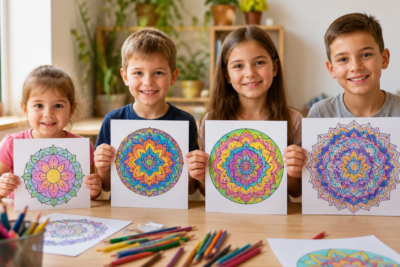
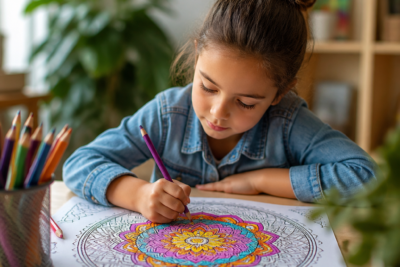
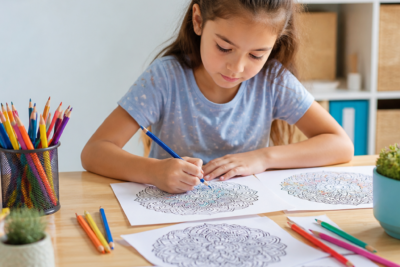
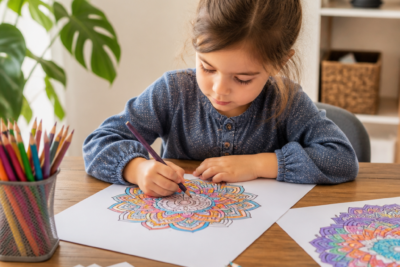
School mandala coloring pages for kids can be a simple and creative resource for classrooms, homeschooling activities, art lessons, and quiet-time exercises. Mandalas combine repeating shapes, patterns, and symmetrical elements that children can color in many different ways. Because the activity does not require advanced drawing skills, students can focus on choosing colors, recognizing patterns, and completing each section at their own pace.
Teachers can use mandala coloring pages as part of art projects, seasonal lessons, group activities, or short classroom breaks. Designs can range from very simple shapes for younger children to more detailed patterns for older students. Printable pages also make it easy to prepare activities in advance without requiring expensive materials.
🎨 Using Mandalas in Classroom Activities
Mandalas can be incorporated into many types of classroom activities. Teachers may use them during art lessons, indoor recess, morning work, transition periods, or after students finish other assignments.
Anuncios
A mandala activity can also be connected to lessons about symmetry, shapes, colors, and patterns. Students can identify repeating elements before they begin coloring or compare how different color combinations change the appearance of the same design.
Teachers may also encourage children to create their own patterns inside a blank circular template. This turns a basic coloring activity into a creative design exercise.
Anuncios
Some classroom uses include:
- Art and coloring lessons
- Pattern recognition activities
- Symmetry exercises
- Quiet classroom activities
- Early-finisher worksheets
- Creative projects for school displays
Because students can work independently, mandala coloring pages are also useful when teachers need a calm activity that requires minimal preparation.
More Articles
 Free Printable Mandalas
The Best Websites for Free Printable Mandalas Compared
Looking for relaxing, screen-free creativity? Free printable mandalas are an easy way to unwind, practice...
Show More Flower & Nature Mandalas
25 Beautiful Flower Mandalas to Print for Free
If you love the calm, creative feeling of drawing repetitive patterns, flower mandalas are about...
Show More🖍️ Easy Mandalas for Younger Students
Younger children generally benefit from mandalas with large spaces, thick outlines, and simple shapes. Designs with too many small sections can become difficult for preschool or early elementary students to complete.
Easy mandalas may include circles, stars, hearts, flowers, clouds, school supplies, or simple geometric shapes. Larger coloring areas allow children to practice holding crayons and pencils while developing better control over their movements.
Teachers can also limit the number of colors used. For example, students might be asked to complete a design using only three or four colors. Another option is to ask children to repeat the same color sequence throughout the mandala.
Simple designs can help younger students understand the basic concept of repetition without making the activity feel complicated.
✏️ More Detailed Designs for Older Children
Older children may enjoy mandalas that contain smaller sections and more complex patterns. These designs can include detailed geometric shapes, layered flowers, stars, leaves, abstract patterns, or combinations of several visual elements.
More detailed school mandala coloring pages give students greater freedom when selecting colors and planning their designs. They may choose a symmetrical color scheme, create gradients, or alternate contrasting colors throughout the page.
Teachers can also use complex mandalas during longer art sessions. Students may be asked to explain why they selected particular colors or how they repeated specific patterns.
For an additional creative challenge, older students can design one half of a mandala and then reproduce the same elements on the opposite side to create symmetry.
🌿 Nature-Themed Activities
Nature-inspired mandalas are especially useful for combining coloring with lessons about plants, animals, seasons, and the environment.
A nature mandala might contain flowers, leaves, trees, butterflies, birds, fruits, seashells, or other natural elements arranged in a circular pattern. Students can color these designs after a science lesson or use them as part of an environmental classroom project.
Teachers could also ask students to observe colors found in nature before completing the worksheet. For example, children might use different shades of green for leaves or create a colorful flower-themed mandala.
Another activity is to collect safe natural materials such as fallen leaves and use their shapes as inspiration for original mandala designs.
🍂 Seasonal Classroom Mandalas
Seasonal mandalas can make classroom coloring activities more relevant throughout the school year. The central design can be adapted to different celebrations, weather changes, or classroom themes.
Autumn pages may include leaves, pumpkins, acorns, and simple harvest patterns. Winter mandalas might contain snowflakes, mittens, stars, or winter trees. Spring designs can feature flowers, butterflies, rainbows, and new leaves.
Summer-themed mandalas may include suns, waves, seashells, or tropical shapes.
Teachers can also prepare holiday-themed designs when appropriate for their classroom. Seasonal mandalas can be displayed on walls, bulletin boards, or classroom doors after students complete them.
Using different themes throughout the year keeps the activity interesting while allowing students to continue practicing similar creative skills.
👥 Group Coloring Activities
Mandala coloring does not always need to be an individual activity. Large designs can be divided into sections and completed by several students.
For example, a teacher can print or create a large mandala and assign each student a specific section. The class can agree on a color palette before beginning. Once every section is completed, the pieces can be combined into one large classroom artwork.
Another option is to place students in small groups and give each group the same mandala. They can decide together how colors will be distributed across the pattern.
Group activities encourage communication and planning because students must make decisions together.
Finished group mandalas can become colorful decorations for classrooms, libraries, hallways, or school events.
🖨️ How Teachers Can Print Them
Printable mandala pages are convenient because teachers can prepare several copies before a lesson. Most designs work well on standard letter-size or A4 paper.
Before printing, teachers should check the page orientation and preview the document to make sure the entire design fits inside the printable area. Selecting a high-quality print setting can help keep smaller lines and shapes clear.
Regular printer paper is usually sufficient for crayons and colored pencils. Slightly thicker paper can be useful when students plan to use markers because it may reduce ink bleeding through the page.
Teachers may also print several different difficulty levels so students can choose a design that matches their age or preferences.
📄 Printable Worksheets
Printable worksheets can combine mandala coloring with simple educational tasks. Instead of providing only a design, the page can include instructions or short exercises.
For example, students may be asked to:
- Color every repeated shape the same color.
- Find and count specific shapes.
- Identify lines of symmetry.
- Complete an unfinished pattern.
- Create a color sequence.
- Design their own section of the mandala.
- Write a short description of their finished artwork.
These additions make school mandala coloring pages for kids more flexible for classroom use.
Teachers can adapt worksheets according to grade level, subject, and lesson objective. A simple coloring sheet may be ideal for younger children, while older students may enjoy combining art with geometry, observation, or creative writing.
By offering different themes and levels of difficulty, printable mandalas can become a practical classroom resource that supports creativity, pattern recognition, and enjoyable independent or group activities.