Frequently Asked Questions About Kids Mandalas

Anuncios
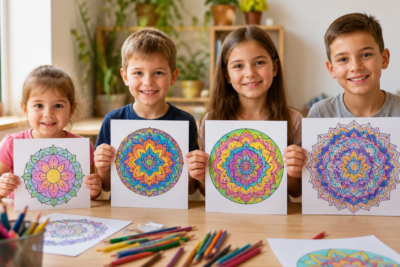
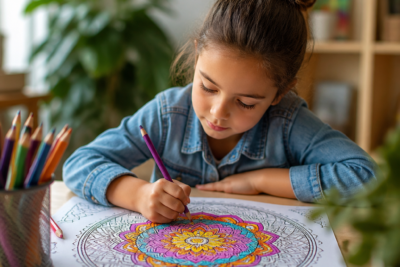
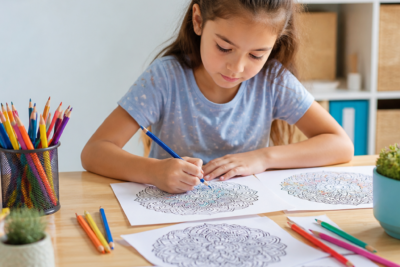
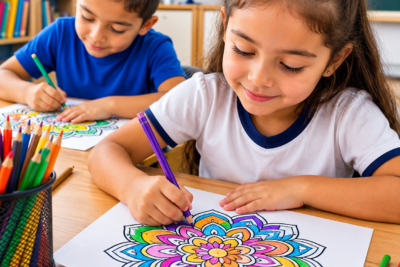
If you’re looking for a calming, creative activity that’s both fun and educational, kids mandalas are a fantastic choice. These circular designs help children focus, practice fine-motor skills, and explore their imagination—whether you print a single page or build an entire routine around printable coloring pages. In this FAQ-style guide, you’ll find practical answers to the questions parents and teachers ask most often when choosing and using coloring sheets, free printables, and PDF templates.
1. What are kids mandalas, and why are they so popular?
Kids mandalas are circular artwork patterns that usually include repeating shapes, lines, and motifs. They often start with a central design and then grow outward symmetrically, making them feel “complete” as kids fill in each section. That structure is part of what makes mandalas so satisfying—there’s a clear pattern, but plenty of room for imagination.
They’re popular because the process feels relaxing and encouraging. For many children, coloring an organized pattern can reduce frustration and help them concentrate. Teachers and parents also like that mandalas work for different ages and skill levels, so the same idea can support both younger kids and older kids.
Anuncios
2. Are mandalas only for older children, or are they good for toddlers and preschoolers too?
Mandalas can be great for younger kids, but it depends on the design complexity. Preschoolers often do best with simpler patterns—fewer sections, thicker lines, and larger areas to color. When you choose printable coloring pages designed specifically for early learners, the experience feels more doable and fun.
For toddlers, the “mandala” concept can be simplified even further. You can use coloring pages with big shapes, or you can trace the outer circle and color only a few sections together as a bonding activity. This is a smart way to blend creativity with early skills like grip control and color recognition.
3. What age range is best for different types of coloring sheets and designs?
Anuncios
Most families find that younger children prefer simpler mandala patterns, while older children can handle more intricate details. A common approach is to select designs with fewer elements for ages 3–5, medium complexity for ages 6–8, and highly detailed coloring sheets for ages 9–12 and beyond.
That said, every child is different. Some kids love detail from an early age, while others prefer larger shapes. The easiest way to match the right sheet is to look for clear line thickness and section size. If the print looks crowded, it may be better for older kids or for short sessions where you only color part of the page.
More Articles
 Free Printable Mandalas
The Best Websites for Free Printable Mandalas Compared
Looking for relaxing, screen-free creativity? Free printable mandalas are an easy way to unwind, practice...
Show More Free Printable Mandalas
Frequently Asked Questions About Free Printable Mandalas
If you’ve been looking for a relaxing creative activity, you’ve probably come across free printable...
Show More4. Where can I find free printables for kids mandalas?
You can often find free printables on educational websites, parenting blogs, and teacher resource pages. Many sites offer both simple and advanced mandala designs, which makes it easy to choose the right complexity level for your child. When you search, try terms like “kids mandalas free,” “mandala coloring pages,” or “printable mandala for kids.”
When downloading any PDF templates, it’s helpful to check whether the pages are meant for home printing (often standard letter or A4). Also, scan preview images to confirm the design is not too small or too faint. If you plan classroom use, look for options that allow multiple prints.
5. Are “printable coloring pages” the same as “coloring sheets”?
In everyday conversation, the terms are used similarly, but they can mean slightly different things depending on the source. Printable coloring pages usually refers to any ready-to-print worksheet or template that’s designed to be colored. Coloring sheets is a broader term that often includes mandalas, animals, patterns, and scene-based designs.
The important part is functionality. If you can download, print, and color it, it’s serving the same purpose. For mandalas specifically, the “page” or “sheet” is the same idea: a detailed template that guides coloring with a calming, structured layout.
6. What’s the best way to print mandalas so they look great?
For crisp lines, set your printer to a high-quality or “best” setting. If you notice that the design looks too light, check whether your printer’s “ink saver” mode is enabled and adjust it. Also, make sure you’re using the correct paper size (letter or A4) based on the downloaded file.
If you’re working with PDF templates, you can often choose “fit to page” in the print dialog, but be careful: scaling too much can distort the symmetry of mandalas. A small margin is usually fine, but try to keep the full circle visible so kids can color from the outer edges smoothly.
7. Can I use kids mandalas for educational activities beyond coloring?
Absolutely. Mandalas can support multiple educational activities that go beyond filling in colors. For example, kids can practice counting segments, identifying patterns, and sorting colors. You can also use them to talk about symmetry and repeating designs—without needing a formal lesson plan.
Parents and teachers often incorporate mandalas into learning routines. Some examples include: color-by-letter challenges (each section corresponds to a letter), shape hunts (spot triangles, circles, or wavy lines), and “pattern breaks” (what happens when you change one section’s color?). These are simple ways to add structure while keeping the activity playful.
8. How can mandalas help children with focus, anxiety, or calmness?
Coloring can act like a low-pressure “mindful moment” for kids. Mandalas encourage repetitive motion and steady attention—two qualities that can be soothing. When a child knows the design is bounded (within the circle and sections), it can feel less overwhelming than free-form drawing.
For children who get anxious or overstimulated, short coloring sessions can be a helpful routine. Try offering a timer for 5–10 minutes, then let them choose whether to continue. This builds self-regulation skills while reinforcing that there’s no wrong way to color—just creative exploration.
9. What coloring ideas work best with kids mandalas?
There are so many fun coloring ideas you can try, and you don’t have to limit kids to one approach. Some children love the classic rainbow gradient, while others enjoy themed palettes like ocean blues, sunset oranges, or monochrome styles. You can also encourage “color rhythm,” where kids repeat a color order in multiple sections.
Another easy option is themed coloring sheets: planets and stars in outer rings, flowers in the inner sections, or animal patterns by layer. If you want a structured challenge, you can assign each ring a specific color family. The goal is to keep it engaging, not restrictive—mandalas should feel creative, not like a test.
10. How do I choose the right PDF templates or coloring pages for my child’s skill level?
When selecting PDF templates and printable coloring pages, look for line thickness, spacing, and the number of sections. Thicker outlines are generally easier for younger kids and for children who use crayons or thicker markers. Large, clearly separated areas help avoid overlap and frustration.
Complexity also depends on time. If you want a quick activity, choose mandalas with fewer details. If you’re planning a longer session, choose more intricate patterns. A great strategy is to start with a “just-right” page, then gradually move toward more complex designs as your child builds confidence.
11. What materials should we use—crayons, markers, colored pencils, or something else?
Any of these can work, but the best choice depends on your goal. Crayons and colored pencils are beginner-friendly and reduce smudging. Markers can create bold color but may bleed through thinner paper. If you use markers, consider printing on thicker sheets or test with one page first.
To make coloring smoother, you can offer both types: pencils for detailed inner rings and crayons for outer areas. Some kids also enjoy blending colored pencil layers. If you’re doing calm activities, pencils often feel gentle and quiet compared with louder marker strokes.
12. Can mandalas be used in a classroom or as group educational activities?
Yes—mandalas are excellent for classrooms because they’re structured, quiet-friendly, and inclusive. Many teachers use coloring sheets as a transition activity (for example, after recess) or as part of a “creative calm” routine. Kids can work independently, while the teacher circulates and supports.
For group activities, consider a “collaborative mandala” wall. Print multiple copies or use one larger template and have students add details in their own sections. If you want simple logistics, assign different rings to different students or create a class color theme, then combine the results for display.
Conclusion
Kids mandalas are a powerful mix of creativity and structure, making them a perfect fit for home routines and classroom educational activities. With the right printable coloring pages—including free printables and carefully chosen PDF templates—you can create relaxing moments, reinforce learning skills, and offer endless coloring ideas. Use this FAQ as your guide to pick age-appropriate designs, print them cleanly, and turn coloring sheets into meaningful, calming experiences.
Whether you’re just starting with mandalas or building a full collection of kids mandalas, the most important thing is to keep it fun and pressure-free. When children feel free to explore color and patterns, the activity becomes more than a worksheet—it becomes a favorite creative ritual.