Why Animal Mandalas Are So Popular

Anuncios
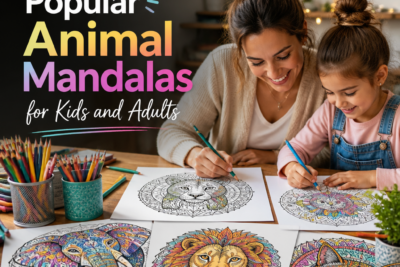
If you have ever caught yourself searching for "something to calm me down" after a tough day, you probably understand why animal mandalas have become so popular. It isn't just about drawing: it is a creative way to connect with the present moment, guided by hypnotic patterns and the sense of tranquility that many people find in coloring. In this article, I explain why animal mandalas are gaining so many followers, how they originated, how they work at a mental level, and what benefits they offer—especially when used as coloring pages, wildlife art, or through printable templates and downloadable free printables.
Context & History: The Origin of Mandalas and the "Animal" Twist
Mandalas have existed for centuries across different cultures around the world. The word "mandala" is usually associated with circular structures that organize elements symbolically: a center, surrounding layers, and a repeating pattern. Historically, these designs have been linked to rituals, contemplation, and spiritual representations.
Over time, the concept expanded into other areas. Today, the mandala is used as an artistic and therapeutic tool to express calm, order, and mindfulness. The "animal twist" is, to a large extent, a natural evolution: animals represent life, movement, curiosity, and a connection with nature. Incorporating creatures such as butterflies, cats, wolves, elephants, or birds into mandala-style compositions creates a powerful combination: on one hand, the repetitive structure; on the other, the organic richness of fauna.
Anuncios
Additionally, the growth of creative communities and social media has accelerated their popularity. People share photos of their progress, coloring tips, and finished results. This has turned mandalas into a visual culture of sorts, where the process matters just as much as the final drawing.
From Traditional Art to Modern Trends
Today, many enjoy mandalas as part of their mindfulness routine. They are no longer solely a cultural symbol: they have transformed into accessible mandala designs for everyone. Instead of starting from scratch, more and more people download printable templates to begin right away.
How Does It Work? The Logic of Calm and Concentration
Anuncios
So, what happens in the mind when you color an animal mandala? There is no "magic trick," but there are several psychological and creative mechanisms that explain its effect.
1) Repetitive Structure That Reduces Mental "Noise"
A mandala is usually built with concentric patterns: sections, lines, shapes, and details that repeat or vary within a clear frame. That structure helps focus attention. Instead of constantly having to decide "what to do next," the design guides you.
More Articles
 Animal Mandalas
How to Download and Print Free Animal Mandalas
If you’re looking for a relaxing activity that also sparks creativity, animal mandalas are a...
Show More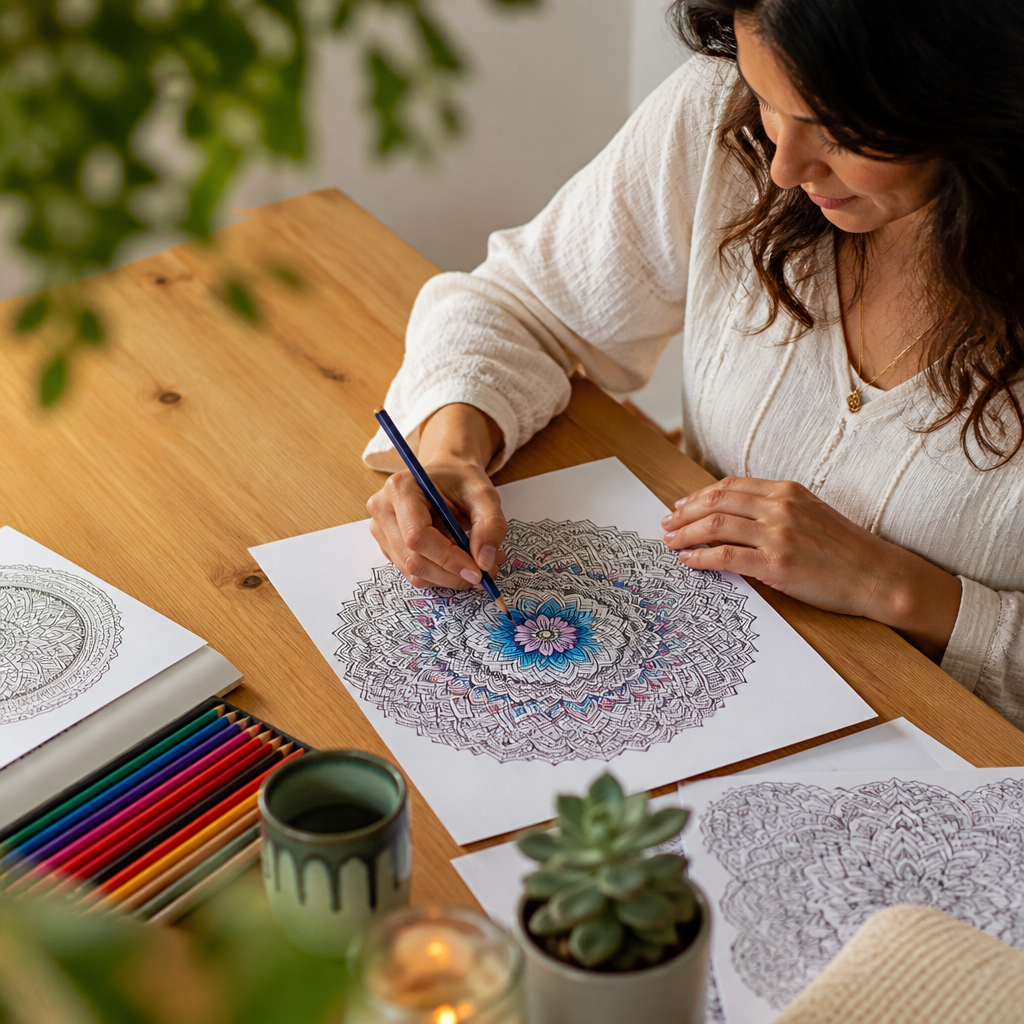 Mandalas for Adults
25 Beautiful Mandalas for Adults to Print and Relax
Ready to trade screen time for something calming and creative? Mandalas have a special way...
Show MoreFor many, this guidance reduces anxiety and allows thoughts to quiet down. It is a bit like training the brain to return to the present: when you focus on a color, an edge, or a texture, time feels more manageable.
2) The Act of Coloring as a Mindfulness Practice
Mindfulness consists of paying purposeful attention to the present moment, without judgment. Coloring a mandala can become a guided practice because it invites you to observe sensations (how you hold the pencil, how your hand moves), rhythm (the step-by-step progress of color), and results (how the pattern comes together).
This is one reason why terms like "relaxing coloring" and "mindful coloring" have grown so much online. It is not just art: it is a soothing routine.
3) Emotional Connection with Nature
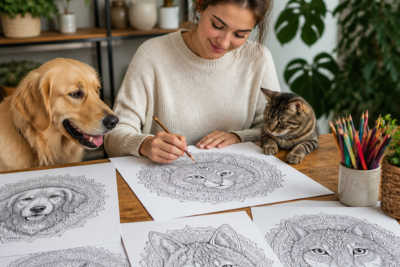
Animals awaken curiosity and warmth, but they also trigger personal associations: a cherished pet, trips to the forest, wildlife documentaries, or childhood memories. When the animal appears integrated into a symmetrical design, a "bridge" is created between emotion and order.
This is why people feel that their wildlife art not only looks pretty, but also "says something" about their relationship with the natural world.
Benefits & Importance: Why So Many People Choose It Today
Animal mandalas have become a popular choice due to a combination of practical and emotional benefits. While everyone experiences it differently, these are the most common reasons.
Benefit 1: Reduces Stress and Promotes Relaxation
Coloring is typically a low-demand activity: you don't need to be a professional artist. This accessibility allows anyone to participate, which is key when seeking relief. The result is a calming effect: hands occupied, mind focused, and breathing synchronized.
This is why there are so many resources and collections under the idea of relaxing coloring. The feeling of "progress" upon completing sections also helps sustain motivation without pressure.
Benefit 2: Improves Concentration (Without Feeling Like "Studying")
Working on small, repetitive areas fosters sustained attention. As you complete a mandala, you practice skills similar to those used in other focused tasks: maintaining visual order, deciding boundaries, and paying attention to detail.
For some, this particularly helps those who feel their minds are scattered. The difference here is that the practice becomes enjoyable.
Benefit 3: Stimulates Creativity and Aesthetic Sense
Mandalas don't force you into a single style. You can choose color palettes, combine realistic tones (for example, natural greens and earth tones for wildlife), or take a more artistic and fantastical approach. The animal serves as inspiration, but the final result is your choice.
Furthermore, mandala designs offer a complex base that invites experimentation: gradient effects, contrast, stippling, shading, or even patterns within patterns.
Benefit 4: Makes Routines Easy Thanks to Printable Formats
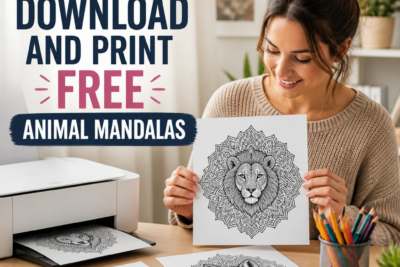
A huge driver of popularity is practicality. Many people want to start right away, without buying complex supplies or planning from scratch. This is where printable templates, coloring pages, and free printables available online come into play.
Free printables allow you to print several pages and practice with different color combinations. They also help build a routine: "one page a day," "a weekend afternoon," or "a 20-minute session." That consistency is part of the benefit.
Benefit 5: Turns Art into an Educational and Therapeutic Resource
Mandalas have also been used as a complementary resource to learn about attention, emotional expression, and creative skills. While they do not replace professional therapy, they can be a useful tool for self-regulation and well-being.
In educational settings, animal mandalas can support topics like biodiversity, species identification, and respect for nature. They are also useful for working on fine motor skills and hand-eye coordination, always through a playful approach.
How to Get Started: Practical Tips to Enjoy Animal Mandalas
If you are interested in trying it out, here are simple recommendations to make your experience more enjoyable:
Choose the Right Difficulty Level
Animal mandalas range from designs with few details to highly intricate ones. If you are starting out, look for pages with clear sections and fewer "micro-elements." As you gain confidence, you can move toward more complex designs.
Use a Cohesive Palette
Before starting, decide whether you want a realistic or creative style. For example:
- Realistic: Colors similar to the actual animal (natural, earthy, greens, and grays).
- Fantastical: Vibrant colors (neons, rainbow shades, unexpected combinations).
Work by Zones
Instead of trying to color "everything" at once, focus on one section at a time. A zone-by-zone approach reinforces the feeling of progress and reduces mental fatigue.
Try Coloring Pages and Printable Templates
If you don't want to buy a book, you can find free printables to download and print. This allows you to choose between styles, sizes, and detail levels without commitment. Just make sure to print with good line clarity so the drawing is comfortable to color.
Pair Your Practice with a "Mindful" Environment
To enhance the effect, try to:
- Silence notifications or use airplane mode.
- Set up warm lighting and good ventilation.
- Play soft music (or enjoy quiet surroundings) and take slow breaths.
This way, your activity becomes a true form of rest, especially if you are seeking relaxing coloring.
Conclusion: The Charm of Animal Mandalas and Why They Are Here to Stay
Animal mandalas are so popular because they combine the best of several worlds: the symbolic order of the mandala, the emotion evoked by nature, and the accessibility of modern formats like coloring pages, printable templates, and free printables. Their structure fosters concentration, their process feels like mindfulness, and their creativity opens the door to a personal kind of wildlife art.
Ultimately, when you choose a page of mandala designs and begin to color, you are not just filling in a drawing: you are cultivating calm. If you want a simple, educational, and deeply relaxing activity, animal mandalas are an excellent choice. Whether you are a beginner or already collecting designs, there is always a new pattern waiting for your creativity.